

Good hearing is a gift that lends to a rich life experience, but unfortunately many people go through life without knowing how to care for it, and others simply don’t consider the implications of engaging in activities that end up damaging their hearing. Since hearing loss is not reversible, an ounce of prevention is worth much more than a pound of cure. In fact, prevention is priceless when it comes to hearing loss.
In this article we’ll explore ways to prevent hearing loss throughout life, highlighting things to do, things to avoid and other considerations that help minimize hearing loss.
Tips to Prevent Noise-Induced Hearing Loss
The most universal cause of hearing loss is repeated or prolonged exposure to loud noises. Regardless of age, inherited traits, health, or other circumstances, loud noises will negatively affect hearing acuity. These can be incidental things like loud car exhausts or workplace machinery, or they could be things you willingly undertake, like listening to music. Each can chip away at your hearing over time, and some can cause irreversible damage over a relatively short period of time. The best way to avoid noise-induced hearing loss is to limit your exposure to loud noise.
Decibel Levels of the most Common Loud Noises & Exposure Limits
Hearing damage can occur quickly with the loudest sounds, but even sounds at 70 dB can cause damage over time. Here’s a quick look at typical loud noises and recommended exposure time frames before permanent damage can occur.
Loudest
May be physically painful – exposure should last less than a few seconds:
- 150 dB: Rock concerts at their loudest
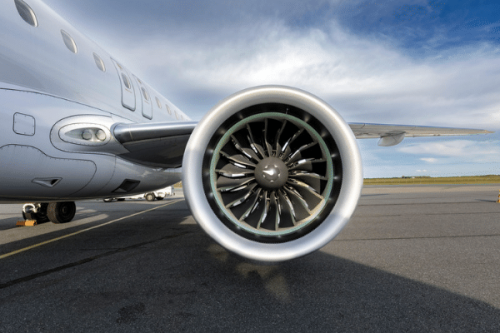
- 140 dB: Jet engines, firearms, race cars
- 130 dB: Jackhammer, ambulance
- 120 dB: Thunder

Extremely Loud
Will cause hearing damage:
- 110 dB: Industrial machinery, motorcycles – 15 minutes or less
- 100 dB: Chainsaw, personal listening devices [highest volume] – Half an hour
- 90 dB: Lawnmower, hair dryer – 2 hours

Loud
Unlikely to cause much damage, unless through extended exposure
- 80 dB: Busy street traffic, garbage disposal – 8 hours
- 70 dB: Vacuum, washing machine – 8+ hours
- 60 dB: Dishwasher, typical conversation – 8+ hours
Here are some strategies to reduce the damage from excessive noise:

Use Hearing Protection
When noise cannot be avoided, such as in a noisy workplace or a concert, it’s best to put something between the source of the noise and your ears. Depending on the circumstances and personal preference, earplugs or earmuffs may be used to help reduce the decibel level and save your hearing.
Earplugs
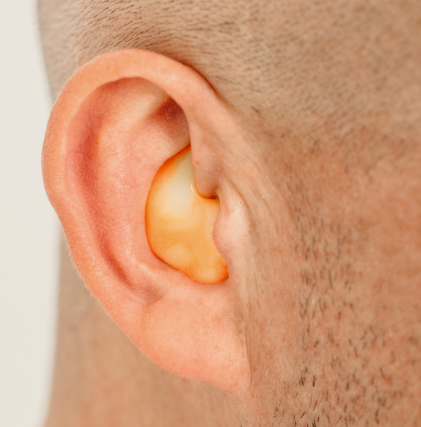
Typically made from foam, silicone or wax in certain specific cases, these are inserted into the outer ear canal and can provide a noise reduction rating (NRR) up to 33.
Earmuffs
These fit over the ear, covering the entire ear structure. Earmuffs like these are often more comfortable to wear over long periods and come with an NRR up to 31.
NOTE: NRR ratings do NOT represent decibel reduction capacities. So, a set of ear muffs with a 31 NRR rating doesn’t necessarily reduce a 150dB rock concert to 120 dBs. Instead that same pair may only reduce the decibels by 12.
Here’s how the calculation works:
(NRR Rating – 7) / 2 – (original source decibel level)
Pay Attention to Listening Volumes
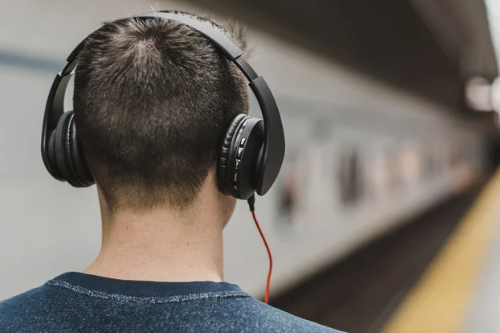
Personal listening device usage is a growing factor in hearing issues. Many people listen to music or podcasts at too high a volume for too long. It can be difficult to self-regulate your listening volumes, as a person can get used to higher-than-healthy volume without noticing that it may be causing damage. For example, consider how often you shut your car off one day with the volume at a certain level, only to be shocked at the volume the next morning when you start the car. Your ears can grow acclimated to certain volumes, even if they’re slowly causing damage.
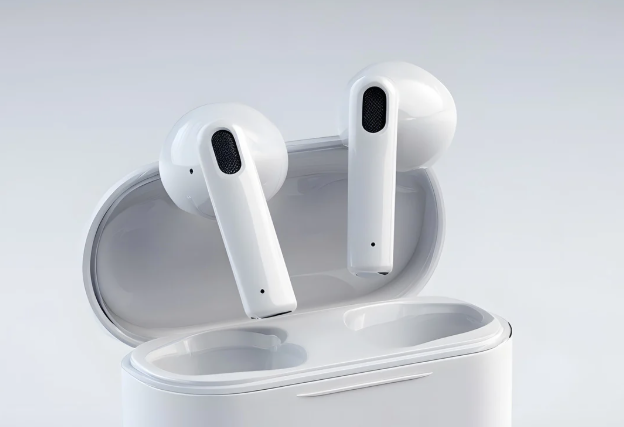
Another aspect of personal listening technologies is the closeness of a speaker to an eardrum. As a general rule, the further away an eardrum is from the source of sound, the safer. With headphones (and even more so with earbuds), there is very little air resistance for the sound to dissipate and quiet down. This means volumes don’t need to be so loud in order to do damage, because they’re so close to your eardrum. Also, the relatively poor sound fidelity that comes with inexpensive headphones and earbuds can lead a user to increase the volume to unsafe levels.
As a general rule, keep personal listening devices at a low volume, and continue to lower the volume the longer you wear them.
Take Frequent Breaks from Noise & High Volumes
A great way to help keep track of the levels of noise you’re experiencing is to remove or distance yourself from the area that contains the source of noise. Unplugging your headphones or moving away from the stage at a concert will give your ears a rest while allowing your brain to sort of reset what an acceptable listening volume should be. You may start to notice tinnitus (a ringing in your ears) when you’re in a quiet area. Also, when you return to the source of sound, you may be less comfortable than before, which is a good sign that the volume is too high to experience without some sort of hearing protection.

Ways to Prevent and Manage Age-related Hearing Loss
Around one in three adults over 65 years old have some degree of hearing loss. This age-related hearing loss is referred to as presbycusis and is a natural part of aging, but there are some steps a person can take to minimize its effect and slow hearing loss:
- Keeping outer ear canals clear of excess wax
- Avoiding loud noises
- Reduce prolonged exposure to elevated decibels
Benefits of Further Treatments in Presbycusis Patients
While taking these basic precautions can help, less controllable factors like illness, inherited factors or loss of sensory receptors in the inner ear can cause further declines in hearing acuity. Hearing treatment options like hearing aids, assistive devices (speech to text, for example), and speech-reading training can help a person live with hearing loss as they age. In some cases the treatments themselves can prevent further hearing loss.
Hearing Aids May Prevent Further Hearing Loss
A well-fitted and professionally configured hearing aid may play a strong role in reducing further hearing loss for those who wear them regularly. Since a significant contributor to hearing loss is atrophy of the auditory nerve structures – nerves that receive fewer signals tend to weaken over time – a hearing aid that overcomes weakening signals to these nerves will keep them active and less likely to experience the atrophy contributing to further hearing declines.
Things to Do to Limit other Causes of Hearing Loss
Quit Tobacco Use
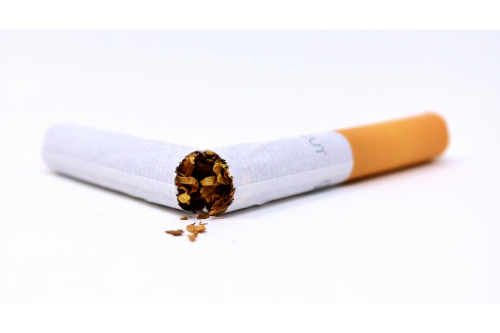
Studies have repeatedly shown that first and secondhand exposure to cigarette smoke is a risk factor for hearing loss. Tobacco smoke contains carbon monoxide and nicotine, both of which constrict blood vessels and reduce blood oxygen levels to crucial structures of the inner ear. The drop in quality blood flow to these structures can cause damage over time. Tobacco smoke intake can also weaken the immune system and make a person more susceptible to ear infections, which can damage hearing.
Additionally, smoke can physically irritate the Eustachian tube and may interfere with signals received by auditory nerves, which may change a person’s sensitivity to loud noises and lead to further damage. Quitting tobacco use and limiting your exposure to tobacco smoke allows nerve endings to start to regenerate, which will help limit further hearing loss.
Properly Remove Earwax
Using cotton swabs to remove earwax is not recommended and can lead to additional hearing loss. Pieces of cotton can come loose and get stuck in the ear canal, and the typical usage of a swab tends to push earwax further into the ear canal, and runs the risk of eardrum damage. Also, the wax can then harden and create hearing issues that can only be alleviated by having a doctor remove the hardened build up.
Avoid Certain Medications
There are hundreds of different drugs that can affect a person’s hearing. These ototoxic medications include certain antibiotics and diuretics, chemotherapies, and even aspirin in large doses. While many of these drugs can be life-saving, it’s smart to check with your doctor so that hearing damage from taking these medications can be avoided.
Get Hearing Tests
Knowledge is power here. Being aware of even small amounts of hearing loss can help adjust your habits around loud noises. If caught in time, small lifestyle changes resulting from this information can lead to big steps in preserving your hearing. The first thing to do is to get a hearing test and follow up with them consistently.