

While there are multiple causes and different types of hearing loss, the impact of the experience on the affected person is universally significant. Fortunately, there are a number of treatments and therapies that can minimize and sometimes even correct certain hearing issues. Properly treating hearing loss requires careful consideration of the factors that led to the issue, paired with individualized care that addresses both the causes and symptoms of hearing loss. In this article we’ll go over some typical treatments for different types of hearing loss.
Adjusting to hearing loss should be thought of as a process, where successes can be preceded by setbacks, and vice-versa. The first step in this process is to establish the extent of the damage and its cause, if possible. Finding the best treatment is unlikely without this all-important step.
Get a proper diagnosis

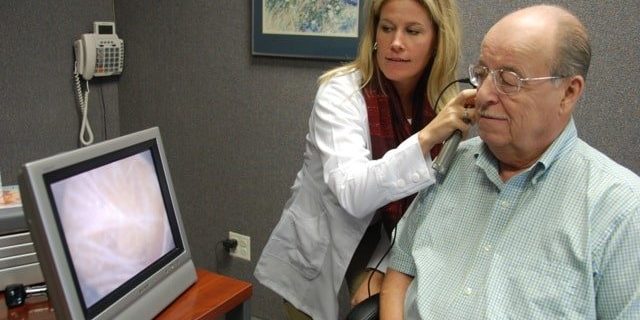
Understanding the hearing problem is key to proper treatment. Before diving into any specific treatment, an audiologist should be consulted, with analysis taking place over the course of several follow-up visits. This will help establish the extent and severity of the problem and will inform the proper path to treatment. A consultation schedule for hearing loss treatments should include:
- Physical exams
- Screening tests
- Audiometer tests
- Other tests (tuning fork, x-rays)
- Follow up exams
Treating Different Kinds of Hearing Loss
Treatments for the varying types of hearing loss should first focus on the underlying causes of the problem. If the cause can be corrected, audiologists will recommend a course of treatments intended to return as much of a patient’s natural hearing as possible. In cases where too much damage has occurred, a hearing professional may suggest corrective measures to take advantage of any remaining functional hearing, either by amplifying sound or by implanting technologies that mimic a properly functioning cochlea.
Sensorineural hearing loss treatments
Since sensorineural hearing loss tends to be permanent, treatments often center on reconnecting pathways for sound signals to get to the brain. Depending on the cause and severity of the hearing loss and the condition of the auditory nerve, audiologists may recommend one of the following for sensorineural hearing loss:
- Hearing Aids
- Cochlear Implants
Conductive hearing loss treatments
Of all types of hearing loss, conductive hearing loss tends to respond best to its various treatments. Treatment for conductive hearing loss will depend on its cause, which can range from blockages in the ear canal to damage of essential auditory system structures. The severity of the cause will also play a role in determining the proper course of treatment.
Typical treatments of conductive hearing loss include:
- Clearing blockages – removing any excess earwax, fluid buildup, foreign objects or debris from ear canal, reduce swelling of passages
- Surgery – either to fix the cause of the hearing loss or to implant a hearing device
- Time and rest – if a perforation of the eardrum is the culprit, time to rest, heal and follow-up examinations might be the extent of treatment
- Hearing aids – if a conductive hearing loss is caused by permanent damage to an ear structure and cannot be treated by any other method, hearing aids may be a good strategy
Noise-induced hearing loss treatments
Treatments for noise-induced hearing loss (NIHL) will depend on the extent of the damage the noise caused. In some instances of acoustic trauma (sudden hearing loss due to a single sonic event), treatment may only be time to heal and rest. In others, the damage may be severe and permanent. With chronic NIHL (damage due to exposure to noise over time), damage is often permanent but takes place gradually. Hearing assistive devices like hearing aids or cochlear implants are the most common treatments for NIHL. Noise-induced hearing loss is avoidable, so prevention is the best strategy: wearing hearing protection is essential.
Low-frequency hearing loss treatments
Treatments for low-frequency hearing loss typically involve an assistive hearing device. The goal in treating low-frequency hearing loss is to amplify lower-pitched sounds only. Since many hearing aids are tuned to amplify all frequencies, a careful calibration of a hearing aid or implant is required with frequent testing and experimentation to get the balance right.
Allergy-related hearing loss treatments
Hearing loss due to allergic reaction is usually treated in the same way as conductive hearing loss, because the symptoms often manifest in the same way: blockages of the middle ear canal. Fortunately, the hearing loss that is related to allergies is usually temporary, persisting only as long as the allergic reaction is present. Antihistamines and anti-congestion medications can help relieve the reaction. While the reaction is still occurring, a few home remedies can help ease the symptoms:
- Yawning can help the clog “pop”, lending some temporary relief
- Inhaling steam through the nose can help open ear passageways and help drain excess fluid
- Placing a warm compress on the outer ear can also help relieve pressure
Treating the psychological effects of hearing loss
Beyond medical interventions, there are actions that people can take to reduce the emotional and psychological effects of having difficulty communicating with hearing loss. Some helpful tips for conversing with hearing loss include:
- Inform friends and family: hiding hearing difficulties can put strain on these relationships, but getting them out in the open lets people offer support
- Avoid background noise when in conversation: things like TVs and radio noise make it much harder to hear
- Don’t be afraid to ask someone to speak louder: people want to help others hear better, as long as they know there’s an issue
- Face the person you’re speaking with: watching a person talk can help with understanding specific words and give clues to tone. Talking to a person in another room should be avoided
- Get the other person’s attention: a distraction-free conversation lends to better communication on both sides
Getting Started with Treatment
People who suspect their ability to hear is in decline should schedule a hearing test as soon as possible. With an audiologist’s guidance, they can be put on a path to treat their hearing loss or learn ways to live full lives with whatever degree of hearing loss they may have.