

A January 2024 issue of The Lancet Healthy Longevity included new evidence that consistent wearing of hearing aids for those with hearing loss may contribute to a 24% lower risk of premature death compared to those who never wear them.
The observational study conducted by the USC Caruso Department of Otolaryngology showed that among 10,000 adults with hearing loss surveyed by the CDC from 1999-2012, those considered regular hearing device users showed a 24% reduction in mortality risk.
The study, headed up by Dr. Janet Choi intended to show how hearing aids affect the wearer’s health over the long term. Previous similar studies indicated that adults with untreated hearing loss experienced shorter lifespans compared with those with no hearing loss. Dr. Choi spotted a gap in these findings that failed to address the longevity of those with hearing loss corrected by a hearing aid.
Linking Hearing Device Wear to Longevity
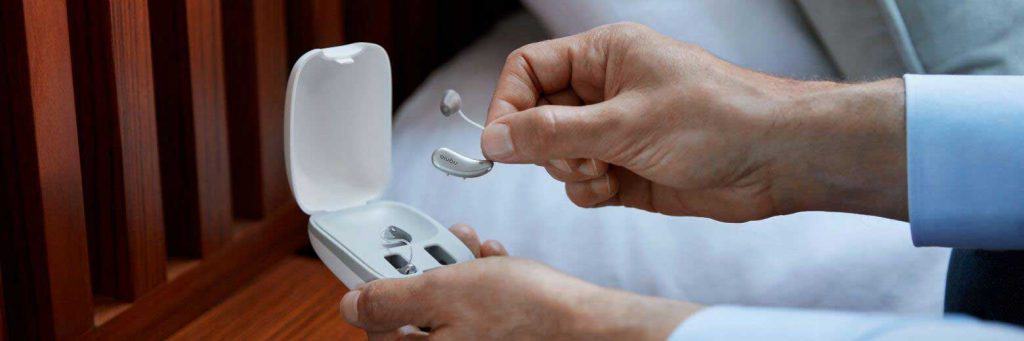
Choi and her colleagues noted a strong correlation between people with hearing loss who wore their hearing device at least five hours per week and longer lifespans. These results remained consistent and significant “even after adjusting for age and severity of hearing loss, socioeconomic status, and other medical conditions” Choi noted.
While the new connection between mortality and hearing aid wear has been largely confirmed by the study, questions remain as to why hearing loss contributes to shorter lifespans.
Other lines of research have indicated that hearing loss may contribute to atrophy and tissue loss in parts of the brain associated with processing auditory signals. Additionally, the isolation associated with hearing loss correlates with other comorbidities like anxiety, depression, and dementia – all of which threaten a person’s longevity.
Dr. Choi’s study does not conclude that hearing aid use causes increases in lifespan nor does it suggest that increased use can fix issues resulting from non-wear. However, it does point to the lifestyle improvements that come with increased device wear and their potential for warding off the known deleterious effects of un-attended hearing loss.
Get hearing help & get more out of life
Regardless of the new evidence and its correlations, the findings of Choi et. al once again point to the many ancillary health benefits of wearing a hearing aid & getting your hearing checked often if you suffer from some hearing loss.
Contact our team if you’re in need of an evaluation or are seeking some of the top hearing solutions available today.