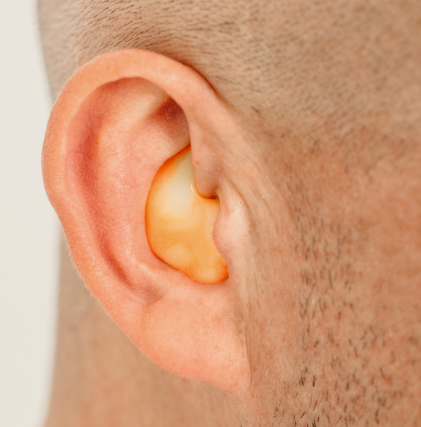



From missing the relaxing sounds of nature to the bustling din of busy cities, hearing loss changes the way a person experiences the world. Issues communicating with others may be the most profound change experienced by a person with hearing loss and can have some troubling effects, even to the point where it can accelerate cognitive aging.
The social effect of communication difficulties can accumulate, sometimes leading a person to withdraw from social interactions. Simple conversational misunderstandings can lead to a range of frustrations, difficulties in participating or understanding group conversations can lend to avoiding them altogether, and interpersonal distances can form based on communication lapses. Fortunately, there are ways to minimize these effects that don’t take much more than a little mindfulness and practice.
Better Communication for People With & Without Hearing Loss
Whether you’re experiencing hearing loss first hand or know someone who is, there are some mindful techniques that can help prevent the types of social effects that hearing loss can cause. In this article, the professional audiologists at Prescription Hearing offer several guidelines from different perspectives to keep communication as open as possible.
Because conversation is a two-way street, they’ve provided sets of strategies intended to help a person with difficulty hearing and a person speaking with someone experiencing hearing loss.
Communication Guidelines for Listeners with Hearing Loss

For those experiencing hearing loss, the best remedy for communication difficulties is to be more intentional in your communication. The vast majority of people out there want you to feel more included and are happy to help in whatever way they can. You can assist them by clearly explaining what they can do, keeping an “uncluttered” listening space and focusing on unique ways to fill gaps in understanding. By working together on this issue, you may achieve a deeper understanding of each other as people and strengthen your bonds. Here are some guidelines for improving communication:
Clarify your hearing challenges
Be sure to let others know about your difficulty hearing, and provide honest, timely feedback to indicate that you understand or fail to understand.
- Don’t bluff – pretending to have heard something you didn’t can cause issues later, so it’s best to be forthright if you miss something.
- Tell others how you can hear best – people who aren’t used to it may not speak clearly when around others with hearing loss. Most people want to help, so It’s okay to remind them politely.
- Ask others to alert you to changes in conversation – some group conversations shift topics quickly, which can be confusing if you miss a cue.
- Request written clues of key words – a quick legible note about the topic of conversation provides context, allowing you to make semantic connections for quicker understanding.
- Encourage your partner – let them know if they’re doing a good job of helping you communicate.
Situate yourself to succeed

Pick the best spot to communicate by avoiding areas that are poorly lit and noisy. If it can’t be avoided for the time being, explain the situation and ask to postpone the conversation temporarily until a quieter, more comfortable place for a chat can be found.
- Plan ahead, if possible – Try to anticipate difficult situations and plan how to minimize conversational problems.
- Address long conversations – shorter conversations will be easier to follow, so if long ones can’t be avoided, try to arrange frequent breaks.
- Pick a spot with good visual lines – whenever possible, find ways to see people’s faces when they’re talking
Listen attentively and use all your senses strategically
Actively engage other methods of listening that are less dependent on your auditory system. With some practice and discipline, you’ll start to pick up on more and more of each conversation.
- Look for visual cues – gestures, facial expressions, and body language can offer a lot of insight into the content of a conversation
- Try not to interrupt – too many interruptions can lead to confusion which makes understanding even more difficult.
- Stay focused on the conversation – even though you may feel you are missing the conversation, continue to follow along. Non-verbal cues will often emerge and get you back on track.
Tips for Conversing with Persons with Hearing Impairment

For those without hearing issues talking to someone experiencing auditory impairment, patience and empathy are key things to keep in mind. Paying close attention to the manner in which you speak and actively trying to ensure understanding may take some getting used to, but are beneficial skills regardless of the scenario. We all want to be understood in life, and conversing with a person with hearing challenges can allow you to flex communication skills in unique ways. Here are some tips:
Focus your speech
The thing most in your control as a speaker is how you enunciate and the volume of your voice. Striking a good balance is key to effective communication.
- Speak slowly and clearly – keep the cadence low so individual words stay well-defined and easily heard.
- If necessary, speak up louder, but don’t shout – sounds tend to distort at higher volume, especially for people with difficulty hearing
- Ensure the attention of the person with hearing impairment – don’t start speaking to the person until you’re sure they’re aware they’re being spoken to.
- Do not over-articulate – this can distort the sounds of speech and make the use of visual cues more difficult.
Position yourself to be heard

Spatial awareness can lend a lot to effective communication, whether you’re speaking to a person with difficulty hearing or not. Whenever possible, arrange the environment to facilitate good communication for all involved.
- Speak at a distance between 3 and 6 feet – closer than three feet can be uncomfortable and distracting, while further makes it more difficult to hear and gives opportunity for other sounds to impede on your speech
- Stand in clear light facing the person who is speaking – this will help the hearing impaired person see lip movements, facial expressions, and gestures.
- Move away from background noise – additional sounds can impair the clarity of your speech
- Do not obscure your mouth with your hands or speak while chewing food.
Be attentive and empathetic
Some people with hearing loss are reticent about their difficulties in conversation, so offering to help will encourage them to engage more frequently, making it easier for everyone to be understood.
- Rephrase statements rather than repeating – if it’s clear something is being misunderstood, try saying it in a different way to give the listener additional touchpoints to understanding.
- Include the person with the hearing impairment in all conversations about them – be sure you aren’t using their hearing difficulties to hide your conversation from them.
- Ask the person what you can do to make conversation easier – this will help them contribute more to conversation, and will also show them that they have an ally who understands their difficulty.
Conversational Issues? It’s Time to Get Your Hearing Checked
Many hearing issues go undiagnosed and largely unrecognized for years and even decades. Often, it’s only after the realization that conversations have become more difficult that people seek help. If you or someone you know are having difficulty in conversation, it may be time to seek a hearing test from a qualified audiologist. The professionals at Prescription Hearing will help determine if you are experiencing hearing impairment and can guide you through the adjustment process, including recommending treatments and correctional devices.
Contact our team for a hearing analysis today.