

As with any sound with close proximity to the eardrum, if it’s too loud it can cause damage which can lead to noise-induced hearing loss. Depending on the situation, some of that damage can be permanent. While safe listening volumes should always be observed to protect your hearing – no matter the device type – people often wonder whether certain devices are more damaging to hearing than others.
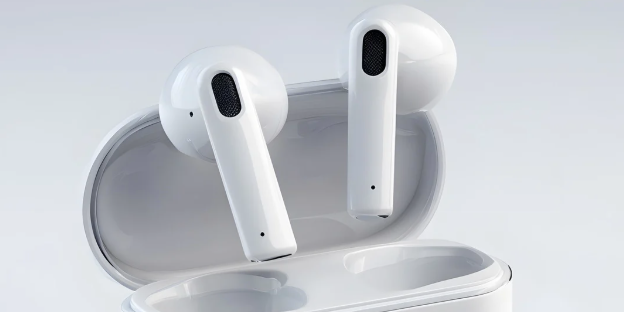
A common question we get as audiologists is whether there’s something inherent about earbud-style headphones that more regularly lead to damage. The short answer: yes, but the good news is that it depends on usage. Hearing damage as a result of using personal hearing devices at excessive volumes has been well-studied, and it’s been noted that the design and function of earbuds in particular may lend to additional risks.
It seems the complete answer depends on a few factors that are exclusive to earbuds:
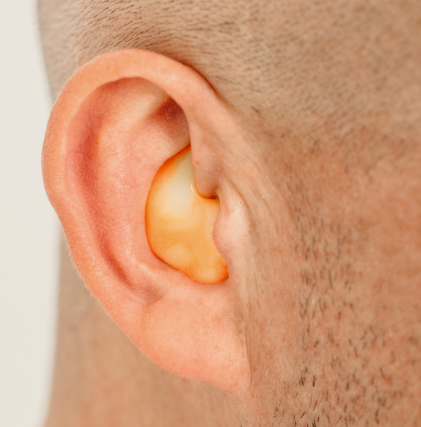
- Proximity to eardrum – by default, earbuds are placed further into the ear canal and therefore closer to the eardrum.
- Sound cancellation – earbud models with noise cancelling features tended to elicit lower preferred listening levels according to a study by the National Institute of Health. Those without this feature tends to get used at higher, more damaging volumes.
- Sound pressure levels – related to eardrum proximity, the sound pressure levels (SPLs) tend to be higher with earbuds due to their insertion into the ear canal itself.
So, while aspects of earbuds may cause trouble (eardrum proximity and SPLs), some models have features built in that tend to reduce one of the biggest factors when it comes to hearing damage from personal listening devices: volume.
Hearing Damage Factors
Any personal listening device can cause damage to hearing if the user isn’t careful. It’s important to understand the biggest factors when it comes to hearing damage:
- Volume – the amount of decibels being produced by the hearing device
- Duration – the amount of time a person uses the device
- Distance – the proximity of the sound source to the eardrum
Those who spend a lot of time wearing headphones or earbuds, or listen to them at excessive volumes all run the same risks of hearing damage. Earbuds place the speaker closer to the eardrum, which is a drawback that is unique to that type of listening device.
Tips to Protect Your Hearing if Using Earbuds
The prevalence of earbuds means that a growing number of people can be found at risk of hearing damage from these devices. Since they are the preferred headphone type for a number of smartphone brands, they aren’t going away anytime soon. But that doesn’t mean that people need to be at greater risk, as long as a few rules and hearing tips are observed:
- Keep the volume low – listening volume should remain at 60% of the max volume
- Keep it short and take breaks – try not to listen for longer than 60 minutes at a time and remember to take them out periodically to give the eardrum time to rest
- Use noise cancelling features, if available – reducing background noise relieves the need to turn the volume up to potentially damaging levels
Warning Signs that Earbuds or Headphones are Doing Damage
People often think that hearing damage comes either suddenly or only manifests later in life. In reality, observable hearing damage can be seen in listeners who use these devices inappropriately, even after relatively short durations. These symptoms are more subtle than they think, and include:
- Tinnitus – a ringing or buzzing in the ears
- Feeling of fatigue after listening to the device
- Increasing difficulty hearing speech in noisy places
- Requiring more volume to hear at the same levels as before
More Answers to Questions about Hearing and Headphones/Earbuds
Headphone users should remember that hearing is a finite resource that can be worn down over as little as an hour of misuse (or less, depending on volume). If you want to find out more about safe listening practices or would like a checkup to see if your hearing has been damaged, contact our team.